

All images on this website were generated using artificial intelligence. The people and scenes depicted are fictional.
A brand new album is being created
Forged in the Viking sagas, the Nordic tongue now merges with the global voice of English, proclaiming the birth of a new era for Völvathreadr: a phoenix rising from the ashes of passivity to confront the omens of the end.
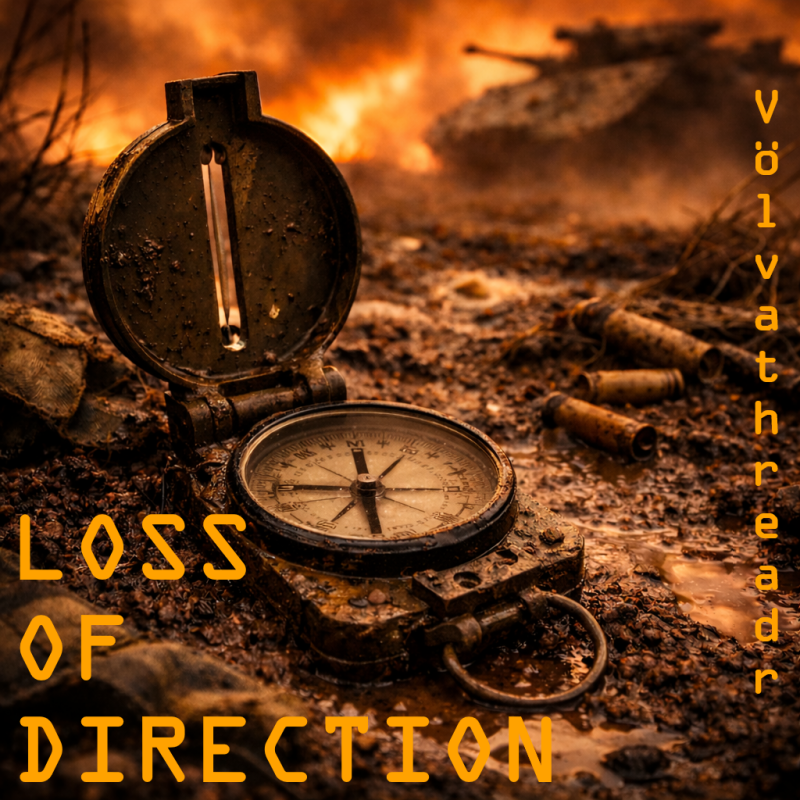
- LEIKFANG HEIMUR
- TÁRFLÓÐ
- TIME
- FÖNIX - VERSION 1 FÖNIX ASHES
- FÖNIX - VERSION 2 RISING ASHES
- ARE YOU HERE?
- NOT MY WORLD
ARE YOU HERE?
Örvæntingarfullt kall út í myrkrið, sprottið af ótta, einmanaleika og síðustu von um bjargandi tákn. Í heimi dystópísks kulda, innri sundrungar og vaxandi örvæntingar rís týnd rödd gegn þögninni, áður en hún hótar að sökkva í hyldýpi sjálfrar sín.
A desperate cry into the darkness, born of fear, loneliness, and the last hope for a saving sign. In a world of dystopian cold, inner collapse, and growing despair, a lost voice rises against the silence before it is swallowed by the abyss within itself.
Ein verzweifelter Ruf in die Dunkelheit, getragen von Angst, Einsamkeit und der letzten Hoffnung auf ein Zeichen jenseits des Schweigens. Zwischen dystopischer Kälte, innerem Zerfall und wachsender Verzweiflung erhebt sich eine Stimme gegen die Leere, auf der Suche nach Antwort, bevor sie im Abgrund ihrer eigenen Stille vergeht.
Un grido disperato nella tenebra, nato dalla paura, dalla solitudine e dall’ultima speranza di un segno salvifico. In un mondo di gelo distopico, disfacimento interiore e disperazione crescente, una voce smarrita si oppone al silenzio prima di sprofondare nell’abisso di sé stessa.
Korkudan, yalnızlıktan ve kurtarıcı bir işarete duyulan son umuttan doğan, karanlığa atılmış çaresiz bir haykırış. Distopik bir soğuğun, içsel çöküşün ve büyüyen umutsuzluğun dünyasında, kaybolmuş bir ses,
kendi içindeki uçurumda yok olmadan önce sessizliğe karşı direnir.

In Progress up to 55%
Description
NOT MY WORLD
Dimmt lag um heim sem hefur glatað mannúð sinni og er nú aðeins haldið saman af lygum, græðgi og andlegri hnignun. Milli mynda af frelsi sem hefur verið gleypt, ungum mönnum fórnað og samvisku afhentri Skynet, stendur rödd eftir í rústunum og áttar sig á því: þessi heimur er ekki lengur hennar.
A dark song about a world that has lost its humanity and is now held together only by lies, greed, and spiritual decay. Between images of freedom consumed, young men sacrificed, and conscience handed over to Skynet, a voice stands in the ruins and realizes: this world is no longer its own.
Ein düsteres Lied über eine Welt, die ihre Menschlichkeit verloren hat und nur noch von Lügen, Gier und geistigem Verfall zusammengehalten wird. Zwischen Bildern von zerfressener Freiheit, geopferten jungen Männern und an Skynet verschenktem Gewissen steht ein Ich, das erkennt: Diese Welt ist nicht mehr seine.
Una canzone cupa su un mondo che ha perso la sua umanità ed è ormai tenuto insieme solo da menzogne, avidità e decadenza spirituale. Tra immagini di libertà divorata, giovani uomini sacrificati e coscienza consegnata a Skynet, una voce resta tra le rovine e comprende: questo mondo non è più il suo.
İnsanlığını yitirmiş, artık yalnızca yalanlar, açgözlülük ve ruhsal çürüme ile ayakta duran bir dünya hakkında karanlık bir şarkı. Yutulmuş özgürlük, kurban edilmiş genç adamlar ve Skynet’e teslim edilmiş vicdan imgeleri arasında bir ses harabelerin içinde ayakta kalır ve şunu fark eder: bu dünya artık ona ait değildir.

In Progress up to 65%
Description
I AM HERE
Kona leitar skjóls í köldu bílastæðahúsi, meðan sprengingar bergmála eins og hófatök reiðmanna Apókalýpsunnar. Þegar hún lokar augunum talar maðurinn sem hún elskar innra með henni, og hún sér hann við fíkjutréð. Lagið vex úr hrárri akústískri spennu í harðan, tilfinningaþrunginn rokkhápunkt, þar til kall hans, „I AM HERE!“, færir huggun og styrk.
A woman seeks shelter in a cold parking garage while bombs echo like the hoofbeats of the Riders of the Apocalypse. When she closes her eyes, the man she loves speaks within her, and she sees him by the fig tree. The song grows from raw acoustic tension into hard emotional rock until his cry, “I AM HERE!”, brings comfort and strength.
Eine Frau sucht Schutz in einem kalten Parkhaus, während Bomben wie die Hufe der Reiter der Apokalypse hallen. Wenn sie die Augen schließt, spricht der geliebte Mann in ihr, und sie sieht ihn am Feigenbaum.
Das Lied wächst von roher Akustik zu hartem emotionalem Rock, bis sein Ruf „I AM HERE!“ Trost und Halt schenkt.
Una donna cerca riparo in un freddo parcheggio sotterraneo, mentre le bombe riecheggiano come gli zoccoli dei Cavalieri dell’Apocalisse. Quando chiude gli occhi, l’uomo che ama parla dentro di lei, e lei lo vede presso il fico. La canzone cresce da una tensione acustica ruvida a un hard rock emotivo, finché il suo grido, “I AM HERE!”, dona conforto e forza.
Bir kadın, bombaların Kıyamet Süvarileri’nin nal sesleri gibi yankılandığı soğuk bir otoparkta sığınak arar. Gözlerini kapattığında, sevdiği adam onun içinde konuşur ve onu incir ağacının yanında görür. Şarkı, ham akustik gerilimden sert ve duygusal bir rock doruğuna yükselir; sonunda onun “I AM HERE!” haykırışı teselli ve güç verir.

In Progress up to 95%
Description
Fönix
Version 1
Version 2
Fönix - Ashes
FÖNIX – Rising Fire
Úr ösku óttans rís FÖNIX sem logandi eiður: að þola ekki lengur nóttina, heldur rífa hana í sundur. Hvert „NÚ!“ er hamarshögg gegn myrkrinu, þar til mótspyrna verður að lífi á ný.
From the ash of fear, FÖNIX rises as a burning oath: not to endure the night any longer, but to tear it open. Every “NOW!” is a hammerblow against the dark, until resistance turns back into life.
Aus der Asche der Angst erhebt sich FÖNIX als brennender Schwur, die Nacht nicht länger zu erdulden, sondern sie zu zerreißen. Jeder Ruf „JETZT!“ ist ein Hammerschlag gegen das Dunkel, bis aus Widerstand wieder Leben wird.
Dalle ceneri della paura, FÖNIX si leva come un giuramento ardente: non sopportare più la notte, ma squarciarla. Ogni grido di “ADESSO!” è un colpo di martello contro il buio, finché dalla resistenza non rinasce la vita.
Korkunun küllerinden FÖNIX, geceye artık boyun eğmemeye; onu parçalamaya ant içmiş alevli bir yemin gibi yükselir. Her “ŞİMDİ!” karanlığa inen bir çekiç darbesidir; direnç yeniden hayata dönüşene dek.

In Progress up to 95%
Description
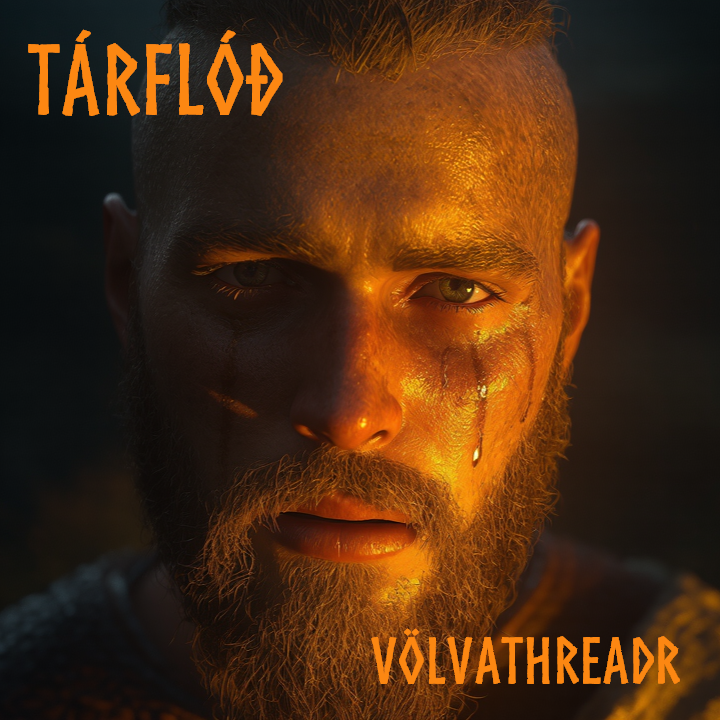
TÁRFLÓÐ
Eitt tár fellur – og heimurinn hlustar. „Ég græt fyrir þig.“ Úr dropa rís flóð, og hjarta sem gleymdi að finna vaknar aftur.
One tear falls – and the world listens. “I weep for you.” From a single drop a flood rises, and a heart that forgot to feel awakens again.
Eine Träne fällt – und die Welt hört zu. „Ich weine für dich.“ Aus einem Tropfen wächst ein Strom, und ein Herz, das vergessen hat zu fühlen, erwacht.
Una lacrima cade e il mondo ascolta. “Io piango per te.” Da una goccia nasce un fiume, e un cuore che aveva dimenticato di sentire si risveglia.
Bir gözyaşı düşer – dünya dinler. “Senin için ağlıyorum.” Tek damladan bir sel doğar, ve hissetmeyi unutmuş bir kalp yeniden uyanır.
In Progress up to 95%
Description
Everyone must hear it.
For the first time, Völvathreadr speaks in English…
-> because there is no time left! -> Wake up!
Time
Særður maður stendur fyrir framan leifar vinar sem hann varaði þúsund sinnum.
Nú er aðeins minningin eftir—og óskin að heyra hann hlæja aftur í draumi.
Ein Mann steht vor den Überresten eines Freundes, den er tausendmal warnte – doch das Lachen war stärker als die Wahrheit. Jetzt bleibt nur Erinnerung… und der Wunsch, ihn wenigstens im Traum noch einmal lachen zu sehen.
A wounded man stands before the remains of the friend he warned a thousand times.
Only memory remains—and the hope to hear him laugh again, if only in a dream.
Un uomo ferito sta davanti ai resti dell’amico che aveva avvertito mille volte.
Rimane solo il ricordo—e il desiderio di sentirlo ridere ancora, almeno in sogno.
Yaralı bir adam, bin kez uyardığı arkadaşının geriye kalanlarının önünde durur. Geriye sadece hatıra kalır—ve onu en azından bir rüyada yeniden gülerken duyma umudu.

In Progress up to 95%
Description
LEIKFANG HEIMUR
LEIKFANG HEIMUR er norræn virðingarkveðja til Yavuz Çetins „OYUNCAK DÜNYA“ og segir frá heimi sem brýtur fólk niður og heldur einfaldlega áfram. Þar sem Yavuz Çetin þagnaði eitt sinn, tekur þessi norræna harmrödd við: hrjúfari, kaldari og með sama sár í hjartanu, sem hún ristir enn dýpra í.
LEIKFANG HEIMUR is a Nordic homage to Yavuz Çetin’s “OYUNCAK DÜNYA” and tells of a world that breaks people and simply moves on. Where Yavuz Çetin once stopped, this Nordic lament begins: harsher, colder, and carrying the same wound in its heart, into which it cuts even deeper.
LEIKFANG HEIMUR ist eine nordische Hommage an Yavuz Çetins „Oyuncak Dünya“ und erzählt von einer Welt, die Menschen zerbricht und einfach weiterzieht. Wo Yavuz Çetin einst aufhörte, setzt diese nordische Klage an: rauer, kälter und mit derselben Wunde im Herzen, in die sie noch tiefer schneidet.
LEIKFANG HEIMUR è un omaggio nordico a “OYUNCAK DÜNYA” di Yavuz Çetin e racconta di un mondo che spezza gli esseri umani e tira semplicemente dritto. Là dove Yavuz Çetin un tempo si fermò, comincia questo lamento nordico: più aspro, più freddo, e con la stessa ferita nel cuore, nella quale affonda ancora più in profondità.
LEIKFANG HEIMUR, Yavuz Çetin’in “OYUNCAK DÜNYA” eserine yapılmış kuzeyli bir saygı duruşudur ve insanları kırıp ardından yoluna devam eden bir dünyayı anlatır.
Yavuz Çetin’in bir zamanlar bıraktığı yerde bu kuzeyli ağıt başlar: daha sert, daha soğuk ve kalbinde aynı yarayı taşıyarak, o yaranın içine daha da derin keser.

